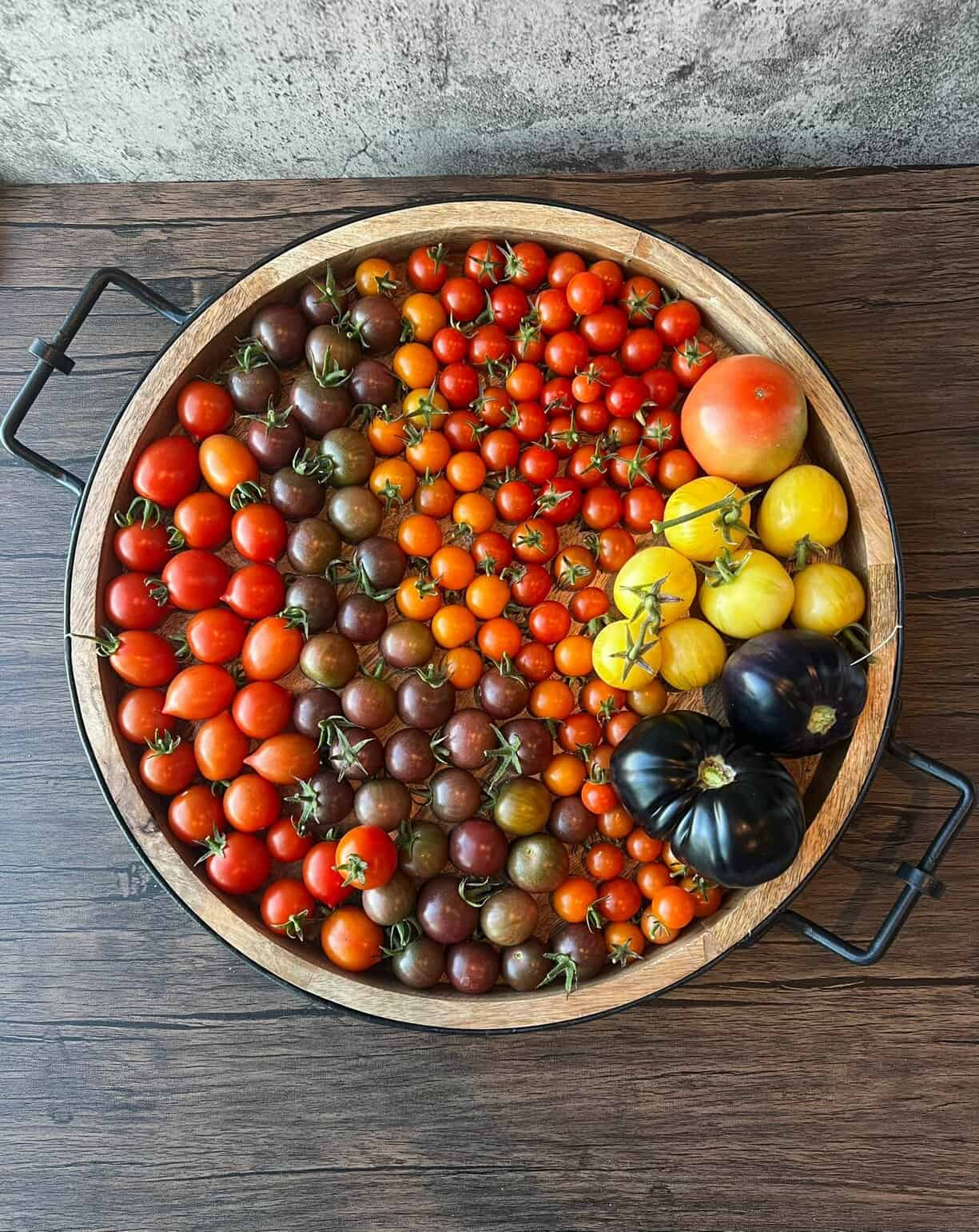
One of the favorite vegetables (or should I say fruit?) of many gardeners is tomatoes. The versatility and flavor make this fruit a must-grow. Although tomatoes are not necessarily hard to grow, there are tricks and practices that will determine your success when growing them.
Growing tomatoes in Florida
If you are a new gardener will soon learn that Summer in Florida is not like summer in the rest of the United States. Summer here is brutal and excessively humid. I like to say that summer is when all the pests come back from hell to feast on your garden. The pest pressure in the hottest parts of the year and excess heat make it less than ideal for growing most vegetables. However, in fall and spring, we have the ideal weather to grow almost every single vegetable you can imagine. I had luck even growing tomatoes through winter, granted they weren’t super impressive, but they were producing enough to prevent us from buying at the store.

When to plant tomatoes in Florida
Although I stated that fall and spring is the ideal time to grow tomatoes, I didn’t say when. Is it September? October? November?. The way I like to plan when I will grow tomatoes is by looking at the expected frost date for your region. South Florida, for example, hardly has a frost, but it also cools down later than central and north Florida.
I am located in central Florida, and I start my tomato plants indoors 6-8 weeks before the date I plan to transplant them. Most central Florida experienced gardeners like to aim to have the tomatoes in the ground between September 15-21. This means that I will start my plants around the first week of August and bring them outside. But what if you don’t desire to start your seeds indoors? You most likely can start then outdoors; however, as I have said earlier, pest pressure and the excess heat make for less than happy tomato plants. You can also look for local nurseries that sell special varieties adapted to Florida and transplant them into your garden.
In spring, we like to wait until February 25 to transplant the plants outside (following the same 6-8 weeks rule. However, I don’t recommend starting the plants outdoors unless they are protected because there is a risk of frost). Very rarely do we have frost after the 25, but in 2022, we did have frost in late March, which ruined many peaches and other plants. It is important to keep an eye on the weather; if frost is expected and your plants are out, you can cover them with a frost-protective cover.
Location
Most vegetables prefer the 6-8 hours direct sunlight window, with some being able to get away with more or less. Choose a place in your garden where you are getting this approximate amount per day. If you are choosing to build a raised bed garden or any permanent structure for your garden is important to look for any structures that block or may block the amount of sunlight in the future, such as fences and trees. Also, remember that at different times of the year the sun is in a slightly different position, being lower in the sky in winter.
If you just want to have a few plants in a container due to space or personal preference, you have the ability to move the pot around to follow the sun.

Special varieties to grow in Florida
Although pest pressure is much lower in cooler months, some pests will still be here in lower amounts, and some don’t decline a whole lot. The damp weather also makes plants more susceptible to pathogens. In order to avoid some pathogen problems, I recommend looking into varieties that can handle our weather better. Here are some varieties that will do well in Florida
- Everglades Tomatoes
- ‘Cherokee Purple’
- ‘Sweet 100’
- Kewalo
- ‘Sungold’
- Most cherry varieties
Pest Management
While I did tell you that pest pressure is high, I didn’t mention what kind of pests are normally a problem. Here are some of the common pests we encounter:
- Tomato hornworm
- Tomato fruit worm
- Aphids
- Stinkbugs
- Leaf-footed bugs
- Thrips
I recommend using IPM techniques before applying any sort of pesticides to your plants. Even organic pesticides? Yes, even organic pesticides. Although organic pesticides are much safer for humans and other beings, they still have some beneficial impacts. So, what is IPM? IPM stands for integrated pest management, focusing on using different techniques to avoid pesticide use. Some of the practices you can do is planting adapted varieties, planting the right plant at the right place, creating physical barriers, planting native plants and flowers to create shelter for beneficial insects, handpicking, and others.
If pest pressure is still high after IPM practices are implemented, some of the more earth-friendly pesticides you can use are BT and Neem oil. BT (Bacillus thuringiensis) is a naturally occurring soil bacterium that produces proteins toxic to specific insects (caterpillars and worms). Neem oil is delivered from a tree and targets many organisms and pathogens. Some of the pests and pathogens that are affected by it are aphids, mealybugs, fungal problems, caterpillars, and whiteflies. I advise only using neem oil after sunset and avoiding spraying it on flowers as bumblebees are known for sleeping on flowers, and they are affected by the use of neem oil.

Soil and Fertilizing needs
If you are choosing to plant in the ground, you will soon realize that Florida soil is hardly “soil”; it is almost pure sand. Gardening in the ground can be extremely challenging if your in-ground soil isn’t mended. Sand doesn’t hold water or nutrients, and unless the plant is native or adapted to these conditions, it won’t thrive. How do you mend the soil? I recommend purchasing compost and incorporating it into the soil before planting. Depending on the size of your garden, ordering bulk compost may make more financial sense.
My preferred method of backyard gardening is raised bed gardening. I just find it easier to maintain, easier on my back, fertilizing is very simple to calculate, my plants seem happier, and it looks neat. If you go on this route, I recommend purchasing bulk organic soil from a reliable source. Buying bags of bagged soil will break the bank and produce too much unnecessary plastic. But if you will have only a few small raised beds, I recommend looking for an organic garden mix.
When it comes to fertilizer, I like to use organic all-purpose vegetable fertilizer. The best source when it comes to determining how much to apply is the label of the fertilizer bag. I normally use granular fertilizer for two weeks before planting my seedlings into my garden beds, and I make a light monthly fertilizer application. Remember, when it comes to fertilizer, less is more! Excess fertilizer won’t produce bigger plants; always read the labels to determine the appropriate rate!
Water needs
During summer, rainfall is typically high; however, we do have a few days when there is no rainfall and hot weather. Without irrigation, your plants will suffer. As temperatures start to cool down, rainfall also lowers. I recommend feeling the soil and thinking about how often it is raining and how hot it is. If the top 3 inches of the soil are dry, good watering should happen. I recommend morning watering as it is better for the plants to have adequate moisture as the temperature warms up during the day. Newly transplanted seedlings need daily watering (unless it’s raining) to ensure proper establishment.

FAQ
What is “determinate” and “indeterminate”?
- Determine tomatoes develop fruits around the same time and tends to be smaller plants. Usually, determining varieties is better for those looking into making tomato sauce.Interdeminate tomatoes grow in a vining pattern producing fruits over a long period of time instead of at once. I recommend Florida weaving or tomato cages for indeterminate varieties.
Can you grow tomatoes year-round in Florida?
Yes and no. Tomatoes are heat-loving plants (not excess heat-loving plants). This means that the plants are the happiest when the temperatures are around 60-90 F. Although winter is almost nonexistent, summer is brutal, with the majority of the days above 90. However, cherry varieties, especially the native Everglades tomatoes, seem to handle the heat well. When there is a risk of frost, many people lose their tomatoes, but depending upon your microclimate and where you planted your tomatoes, they may be able to survive.
What do I plant my tomato in?
- You can grow tomatoes in any container as long as there is proper drainage, fertilization, sun, and size. Your preferences, budget, space, and goals will dictate the right method for you.
Do I need to Stake my tomatoes?
- Yes, as the fruits start to set, the plant wont is able to hold itself up, resulting in falling over. This is a problem because it will reduce air circulation, increase the susceptibility to diseases, and increase the number of pests.
How Long can a tomato plant live in Florida?
- A tomato plant can live between 6-8 months and how long the plant will last will depend upon many variables. Most plants as they age tend to decline in production. Although the idea of having a plant lasting 8 months sounds nice it doesn’t make sense if the plant isn’t fruiting or not fruiting enough. Excess heat and cold temperatures impact flowering and setting fruit.
Do Heirloom Tomatoes Grow In Florida?
- Yes, you can grow many heirlooms, cultivars, and hybrids in Florida. Heirlooms tend to perform better in spring than in fall.