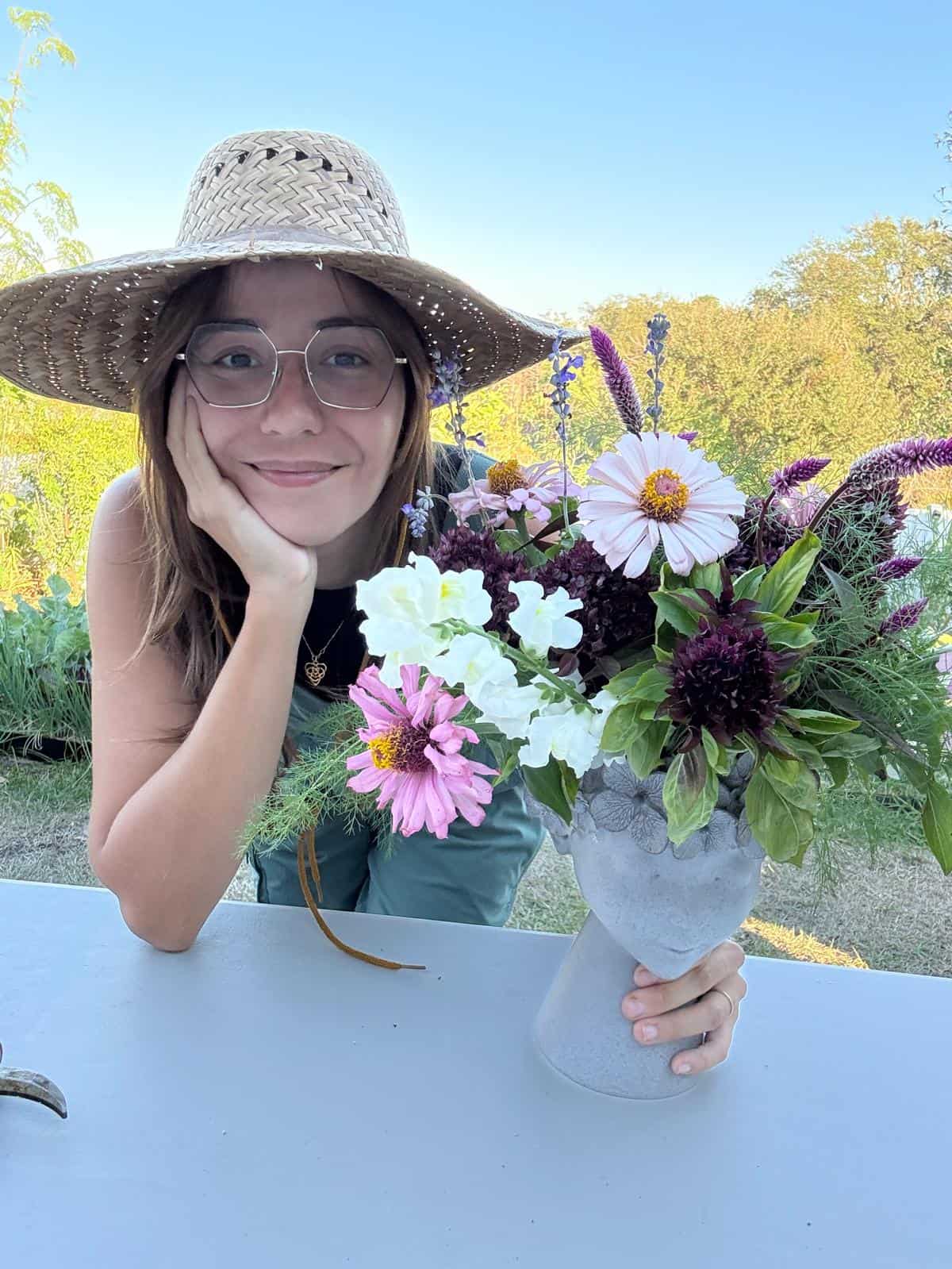
Zinnias are simple and colorful flowers that are perfect for any garden. Zinnias are native to Central America but they are adapted and vastly used across the world. They come in many bright colors like red, orange, pink, and white, and they grow very well in Florida’s warm weather. These flowers are easy to take care of, and they bloom quickly, which makes them a great choice for beginners or experienced gardeners. In this post, I will share some tips on how to grow zinnias in Florida. We’ll talk about when to plant them, how to take care of them, and some common problems you might face.
Why Zinnias Are Perfect for Florida
Zinnias are a natural fit for Florida gardens because they love the heat and thrive in full sun. Florida’s warm climate and long growing season create the perfect environment for these flowers to grow quickly and bloom continuously.
One of the best things about zinnias is how easy they are to care for. They don’t need a lot of attention and can handle dry conditions, which is especially helpful during Florida’s hot months. Plus, they’re resistant to many common pests, making them a reliable choice for gardeners who want flowers without a lot of hassle.
Best Time to Plant Zinnias in Florida

In Florida, the best time to plant zinnias is during the warmer months of spring and summer. These heat-loving flowers thrive when the soil is warm and the days are sunny. For most of the state, the recommended planting window is March through September, giving you plenty of time to enjoy their vibrant blooms.
It’s important to avoid planting zinnias in the winter, especially if your area experiences frost. If you are located in Central Florida, just like me, you might be able to grow Zinnias throughout winter if frost doesn’t occur. Zinnias are sensitive to cold and will not survive freezing temperatures. If you live in a frost-free region of South Florida, you might still be able to plant them in the cooler months, but their growth might slow down.

How to Plant Zinnias
One of the most important parts of growing anything in Florida is selection. With growing zinnias, selection is key to ensuring success. I have personally tried dozens of varieties. Here are some great options:
- Benary’s Giant (click here to buy): Known for its large blooms and long stems, this variety is perfect for cut flowers.
- Floret Flower varieties: all varieties I have experienced were not only the prettiest varieties I have grown but also they showed resistance to powered mildew.
Starting from Seed
I personally prefer to start my seedlings in trays for 4-6 weeks, then transplant them in the garden. I have an indoor garden growing station, but many growers set up their trays outside. Regardless of what method you choose, is important to choose the right soil medium and keep the soil moist.
If you choose to directly sow your seedlings in your garden, it’s best to wait until the risk of frost is over. A good general day for the state of Florida is March 1st – unless a late frost is expected. Space seeds 6-12 inches apart to allow for good air circulation, which helps prevent diseases like powdery mildew.
Soil Requirements
Zinnias do best in well-draining soil enriched with organic matter. Florida soil tends to be sandy with the exception of a few pockets. I recommend mending the soil with compost 2-4 weeks prior to planting and incorporating organic flower fertilizer at the appropriate rate. Zinnias might benefit from a second fertilizing mid-season.
Light Requirements
Zinnias loves the sun! For strong, vibrant blooms, make sure they get at least 6-8 hours of full sun daily. Too much shade can result in leggy plants with fewer flowers.
Watering and Care

Watering and Care
Zinnias are remarkably resilient flowers that can tolerate occasional dry spells, but they truly thrive when provided with consistent moisture. In Florida’s warm climate, I’ve found that using a drip irrigation system is especially effective. This method not only conserves water by delivering it directly to the soil but also ensures even hydration for the plants. To keep your zinnias healthy, focus on watering the base of the plants rather than using overhead irrigation. Wet leaves can create a breeding ground for issues like powdery mildew, so keeping foliage dry is key to preventing diseases.
During Florida’s rainy season, it’s important to make sure your zinnias have proper drainage. Heavy rains can lead to standing water, which causes root rot and other issues. If your soil doesn’t drain well, consider planting zinnias in raised beds or containers to keep their roots healthy. Even though this flower is tolerant to the heat, most zinnia varieties tend to suffer a lot from powered mildew during the summer.

Common Problems and How to Address Them
-
- Powdery mildew is a frequent issue due to Florida’s humidity, causing a white, powdery coating on leaves.
- Prevention:
- Space plants 6-12 inches apart to improve air circulation.
- Water at the base of the plants instead of overhead to keep leaves dry.
- Resistant Varieties: Choose mildew-resistant types like Zahara or
- Zinnias can attract pests like aphids, spider mites, and caterpillars, but they are manageable with the right approach.
- Organic Solutions:
- Neem oil (click here to buy) can be sprayed. However, I do not advise this as bumble bees often use zinnias as their place of rest, and neem can negatively affect them.
- Introduce beneficial insects like ladybugs to control aphids and mites.
- Regularly inspect plants to catch infestations early.
Harvesting Zinnias
When to Harvest
- Cut zinnias when the petals are fully open, and the stem is firm. To check if the stem is ready, gently shake the flower head. If it stays upright, it’s firm enough to harvest.
Why Harvest Regularly
- Harvesting blooms frequently encourage the plant to produce more flowers, giving you a continuous supply throughout the season.
FAQ

FAQ
1. Can zinnias grow year-round in Florida?
Zinnias thrive in Florida’s warm climate, but they are sensitive to frost. In most parts of Florida, they grow best from March through September. If you live in frost-free areas of South Florida, you may be able to grow them nearly year-round, though they might not bloom as prolifically during cooler months.
2. Do zinnias need a lot of water?
Zinnias are drought-tolerant but perform best with consistent moisture. Water deeply once or twice a week, depending on rainfall. Avoid overwatering, as soggy soil can cause root rot, especially during Florida’s rainy season.
3. What type of soil is best for zinnias in Florida?
Zinnias prefer well-draining soil rich in organic matter. Florida’s sandy soils are suitable but benefit from amending with compost or organic fertilizer to improve water retention and nutrient levels.
4. How do I prevent powdery mildew on my zinnias?
Powdery mildew is common in Florida’s humid climate. To prevent it:
- Space plants 6-12 inches apart for good air circulation.
- Water at the base to keep leaves dry.
- Choose mildew-resistant varieties like Zahara and Profusion.
5. How long do zinnias last as cut flowers?
Zinnias are excellent for bouquets and can last up to 7-10 days in a vase with proper care. To extend their life:
Remove lower leaves: Any leaves that sit below the water line should be trimmed off to prevent rotting.
Use clean tools: Always use sharp, sanitized scissors or shears to avoid spreading diseases.
Cut stems at an angle: This increases the surface area for water absorption.
Change the water daily: Fresh water helps prevent bacteria from building up.