If you’re considering starting a raised bed garden but aren’t sure where to begin, this guide was made for you. Planning and design are crucial for a successful gardening journey. Before we dive into the essentials of raised bed gardening, allow me to introduce myself. My name is Stephanie, and I’m the founder of Raised Bed Guide. With a background in horticulture and landscape design, I discovered raised bed gardening nearly a decade ago and quickly embraced it as my preferred gardening method.
Raised bed gardening may seem trendy, but its roots are deep-seated in history. It is thought that during the Middle Ages, farmers employed a similar concept by mounding soil (also known as hugelkultur) and incorporating organic materials to enhance soil fertility. Today, modern raised bed structures effectively contain soil, optimizing growing conditions.
While raised beds are not mandatory for successful gardening—considering the history of in-ground cultivation over centuries—they offer distinct advantages for managing smaller garden spaces. This method not only focuses on reducing maintenance but also improves soil management, making it ideal for urban backyards and novice gardeners alike.

Benefit of Raised Bed Gardening
Beyond their visual appeal, raised beds offer numerous advantages for both new and experienced gardeners. Let’s explore a few of these benefits:
- Firstly, soil quality in typical gardens often falls short—lacking essential nutrients or the ideal structure. Raised bed gardening allows you to custom-mix your soil. Additionally, raised beds typically stand at least 12 inches tall, which significantly reduces the need to bend over for planting, weeding, and general maintenance, easing the strain on your back. The wedding on my raised beds is far less intensive than my in-ground beds, but I still hand-pick weeds every so often.
- Raised beds also enhance accessibility for individuals with mobility issues and children. Gardeners can adjust the height to meet their specific needs and budget, making gardening an inclusive activity. Furthermore, water usage is generally more efficient in raised beds since the contained area focuses resources on the plants you choose, allowing for precise water management.
- Pests such as rabbits and moles often find it more challenging to reach plants in raised beds due to the elevation and contained structure, which helps reduce infestations. Lastly, raised beds offer a clean and organized aesthetic to any gardening space, adding structure and elegance to your outdoor area.
Picking your raised bed location

Sunlight
When selecting a location for your raised bed garden, it’s crucial to consider not just the current amount of sunlight but also how this may change over time. Most vegetables require 6-8 hours of direct sunlight daily to thrive; thus, a spot that merely seems sunny may not suffice. You should assess potential future changes to sunlight exposure. Are there young trees nearby that might expand to cast shade on your garden in the coming years? Are there any existing or planned structures, such as fences or buildings, that could block sunlight as the sun shifts throughout the day?
Moreover, orienting your raised beds in a north-south direction is highly beneficial. This positioning maximizes sunlight exposure by ensuring that the sun’s path covers the length of the beds more evenly throughout the day, minimizing the shadow cast by plants onto each other.

Accessibility and Raised Bed Size and Design
A common oversight I often observe among new gardeners is selecting a garden location that’s hidden from the main entrance, likely in an attempt to conceal the less organized and aesthetically pleasing aspects of a work-in-progress garden. While it’s understandable to want to keep the messier parts of gardening out of plain sight, choosing a spot based primarily on this criterion can lead to practical difficulties down the line.
When planning your garden, sunlight should be your first consideration—ensuring your plants get enough light to thrive is crucial. However, once you’ve nailed down the optimal spot for sunlight, it’s equally important to consider how close this location is to a water source. In this context, I highly recommend installing an automated irrigation system, which can significantly reduce your gardening efforts. An automated system not only conserves water but also ensures that your plants are consistently watered, even when you’re busy or away, ultimately saving you time and reducing your water bills. Having an irrigation system set up has increased my garden resilience and my freedom by allowing me to travel without worrying if my plants are getting watered!
Regarding the physical layout of your raised beds, the dimensions play a key role in their functionality and ease of use. A height of 18-24 inches is generally ideal, as it reduces the need to bend excessively and makes it easier to work in the garden without straining your back (click here to buy raised beds). My beds are 18 inches in height, but I would recommend even higher as I believe this is the minimum height for comfortable gardening. As for the size, opting for beds that are 6×3 feet or 8×4 feet long allows you to easily reach the center from any side without stepping into the bed, which can compact the soil and negatively affect plant roots.
Despite the many advantages of raised bed gardening, such as improved soil conditions and better pest management, it’s important to remember that this method isn’t maintenance-free. Regular tasks, such as amending the soil with compost and checking irrigation systems, are vital for maintaining the health and productivity of your garden. I often find myself hauling compost, mulch, and other materials to enrich the beds, using a gorilla cart to facilitate this process. This experience highlights the importance of having sufficiently wide walkways, ideally at least 36 inches, to allow for easy maneuvering with garden carts or wheelchairs. This width ensures accessibility throughout the garden, making maintenance tasks more manageable and less time-consuming.
Raised Bed Materials
When building raised beds for your garden, selecting the right material is crucial as it affects the durability, maintenance, cost, and aesthetics of your garden beds. Here’s a detailed look at some popular materials used for constructing raised beds:

Wood Raised Beds
Wood is one of the most common materials for raised beds due to its natural appearance, affordability, and ease of construction. Cedar and redwood are preferred choices because they are naturally rot-resistant and can last many years without the need for chemical treatments. However, these woods tend to last no more than ten years and an average of 5 in high-humidity states like Florida. I have seen other bloggers using linseed oil and food-grade silicone to try to increase the life of those beds. However, they haven’t had them long enough to determine if that truly extends their life. I do not recommend using treated wood as its safety hasn’t been extensively researched.

Cinder block Raised Beds
Concrete blocks or poured concrete can be used to create very durable raised beds that almost never need to be replaced. They can also double as thermal mass, helping to regulate soil temperature. However, concrete can be more expensive and labor-intensive to install, and its aesthetic might not blend as well with natural garden designs. Additionally, the pH of concrete can influence soil acidity over time, which may need adjustment for certain plant types. Another issue with concrete beds is related to the petroleum by-products used on concrete blocks and toxic heavy metals such as arsenic and lead present in the concrete blocks.

Galvanized Steel Raised Beds
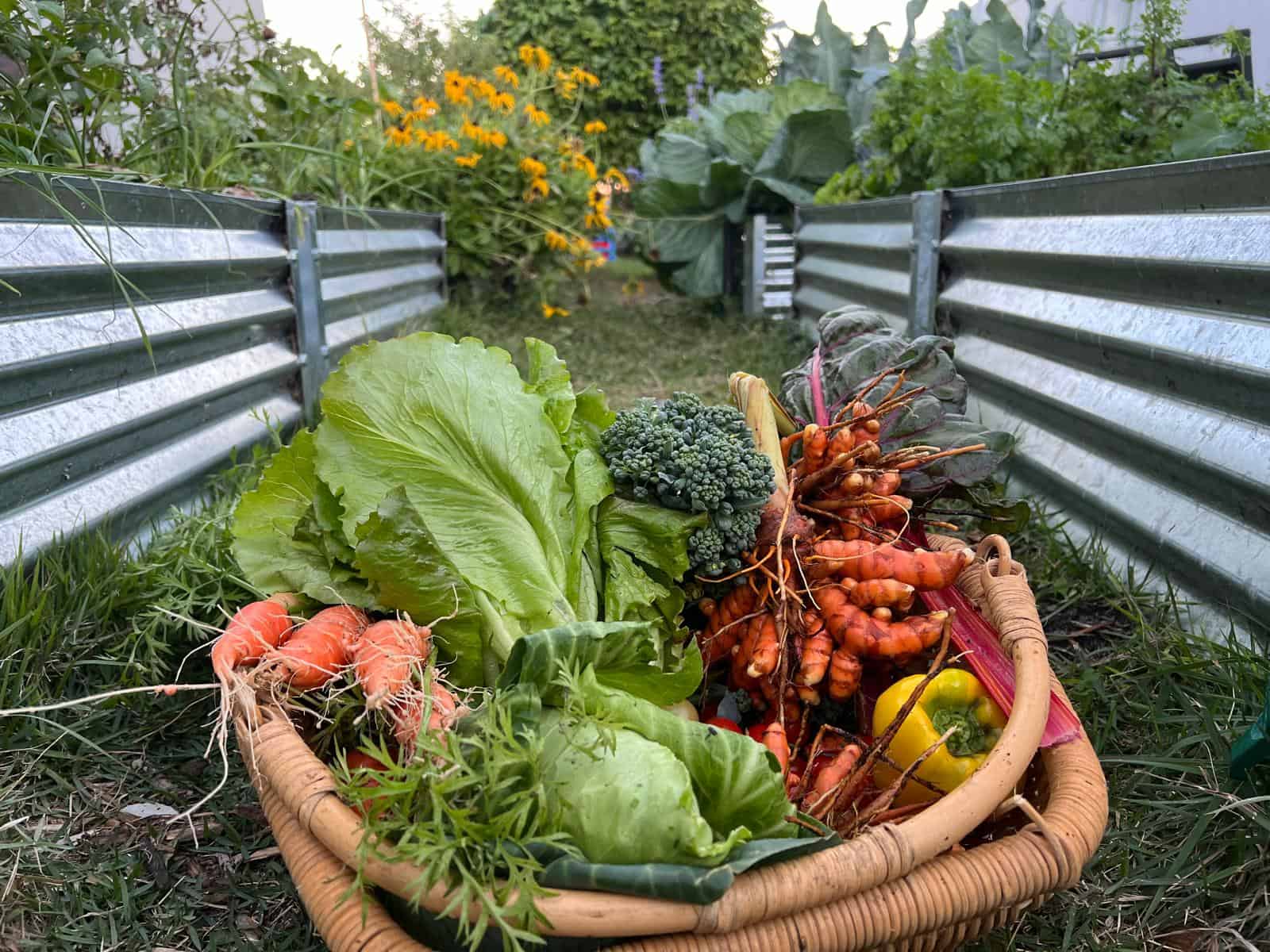
Galvanized steel beds (click here to buy) are becoming increasingly popular for their durability and modern look. They are resistant to rot and pests and can last many years with minimal maintenance. Galvanized steel also reflects sunlight onto the plants and heats up quickly, extending the growing season.
I have been using galvanized beds for almost five years and have had little to no complaints about it. The very edge of the beds tends to get hot during hot days, but the beds as a whole seem to mostly stay cooler than the edges. My beds still look almost the same as they looked five years ago! I wish that the beds were designed with flat panels just because I would like them to look better!

Recycled Raised Beds
Using recycled materials for raised beds can be an environmentally friendly and cost-effective option. Old bricks, reclaimed wood, or even repurposed barrels can be used to construct raised beds. However, it’s important to ensure that the recycled materials are safe and do not contain harmful chemicals or residues that could leach into the soil. I recommend using recycled materials for beds where no edibles or root crops are grown in case leaching of unknown chemicals occurs.
Each material has its pros and cons, and the right choice depends on your specific needs, budget, and the style of your garden. When selecting materials for your raised beds, consider not only the initial cost and installation but also the long-term sustainability and how the material interacts with your garden environment.

Preparing Your Raised Bed Area
Maybe you’re one of the lucky few with a perfect plot of bare, level land just waiting for a garden. Or perhaps, like many of us, you’re starting with a patch of lawn, a tangle of shrubs, or a wild mess of weeds. Whatever your starting point, creating your ideal garden spot often requires a bit of effort and some strategic planning.
If your space is currently a lawn, You have a few options for clearing that turf. Renting a sod cutter can quickly and efficiently remove grass, though it’s a bit of an investment. Alternatively, you could dig up the sod the old-fashioned way with a trusty shovel or employ the “no-till method” by smothering the grass under layers of compost over a few months, enriching the soil for your future garden.
In my backyard, I used a tarp to kill the grass in some areas; in others, I manually shoved the grass out, and in some, I smothered the grass using cardboard and mulch. Generally speaking all methods worked similarly if done right.
If your space is weed-infested, Consider solarizing the area. This method involves cutting the weeds down, soaking the ground, and covering it with clear plastic sheeting to trap heat and moisture. It takes about 4-8 weeks during the warmest months but can effectively kill off weeds and seeds up to a few inches deep.
Bermuda grass, with its invasive runners and deep rhizomes, may require repeated efforts to fully eradicate. In such cases, I recommend a dual approach: solarize to tackle the surface growth and consider placing landscape cloth or multiple layers of cardboard beneath your raised beds to block deeper growth. Additionally, building a border around your beds can help prevent Bermuda grass from creeping in from the edges.
If your space is shrubby or has stumps: Sometimes you might need to remove stumps, but raised beds offer the flexibility to build over uneven terrain, incorporating existing woody material into the garden’s ecosystem, which will gradually decompose and enrich the soil.
Each garden’s needs will vary based on its specific challenges and opportunities. By understanding these dynamics and considering all your options, you can make informed decisions that will lead to a successful and sustainable garden, no matter where you start.

Best soil mix for raised beds
A common question I receive during my harvesting videos is about the type of soil I use or where I sourced it from. There isn’t a one-size-fits-all answer to this, as soil choice can vary significantly depending on numerous factors specific to each garden. Over the years, I’ve experimented with different soil types in my raised beds—including bagged garden soils, hugelkultur methods, and bulk soil deliveries. Interestingly, despite the variations in soil composition, the performance of these different mixes has been fairly consistent.
Understanding that soil is more than just a backdrop for planting is crucial. Healthy soil doesn’t happen overnight; it’s cultivated over time through practices that enrich and sustain the soil’s living ecosystem. This includes rotating crops, adding organic matter, and employing natural fertilizers, all of which contribute to building a fertile, living soil that supports robust plant growth year after year.
Planting in Raised Beds
Planting in raised beds offers several advantages, from improved soil conditions to better pest management. To make the most of these benefits, it’s important to consider what to plant based on your local climate and the current season, as well as how to maximize space and enhance plant health through companion planting.
Deciding What to Plant Based on Climate and Season
Climate plays a pivotal role in determining which plants will thrive in your raised beds. Each plant has specific temperature and sunlight requirements. For example, cool-season crops like lettuce, spinach, and peas perform best in spring and fall when temperatures are mild, while warm-season crops like tomatoes, peppers, and cucumbers need warmer weather to grow.
Beyond temperature, consider the length of your growing season. Some crops, such as carrots and parsnips, have long growing periods, while others, like radishes and baby greens, can be harvested quickly. Always check the last and first frost dates for your area to time your plantings correctly, ensuring your plants have enough time to mature within their ideal growing conditions.

Techniques for Maximizing Space
Vertical Planting: Utilize the vertical space above your raised beds by adding trellises, stakes, or climbing frames. This is ideal for vining plants like cucumbers, beans, and some varieties of squash and tomatoes. Vertical planting not only saves space but also promotes better air circulation around the plants, reducing the risk of fungal diseases.
Square Foot Gardening: This method involves dividing the raised bed into 1×1 foot squares, with each square dedicated to a specific number of plants, depending on their size. For example, you can plant one tomato per square, four lettuces per square, or sixteen radishes per square. This technique helps to optimize space, reduce weeding, and make it easier to rotate crops.

Companion Planting Tips
Companion planting is the practice of placing plants together that can benefit each other in terms of growth, pest control, or pollination. Here are a few tips:
- Marigolds: Planting marigolds around your vegetables can help deter pests like nematodes and aphids, thanks to their natural insect-repellent properties.
Implementing these strategies in your raised bed garden can lead to more efficient use of space, healthier plants, and a more productive garden overall. By carefully planning what you plant, how you arrange your plants, and who their neighbors are, you can create a vibrant, flourishing garden ecosystem right in your backyard.
Irrigation Solutions

Irrigation is a crucial aspect of managing raised bed gardens, as proper watering ensures healthy plant growth and optimal yields. Let’s delve into the watering needs specific to raised beds and explore various irrigation solutions to find the best fit for your gardening style.
Overview of Watering Needs for Raised Beds
Raised beds tend to dry out faster than in-ground gardens because of their elevated and often more exposed position, which increases evaporation. This makes consistent watering especially important. The ideal moisture level is damp, not soggy, soil. Monitoring your soil’s moisture regularly is essential, as the watering needs can vary greatly depending on weather conditions, the season, and the specific plants you’re growing. A general rule is to ensure that your raised beds receive at least 1 inch of water per week, but during hot, dry periods, more frequent watering may be necessary.
Comparing Different Irrigation Systems

- Drip Irrigation
- Efficiency: Efficiency: Drip irrigation is highly efficient as it delivers water directly to the base of the plants, minimizing waste and evaporation. This targeted approach ensures that water reaches the roots, where it’s most needed, without wetting the foliage, which can lead to fungal diseases. If you would like to learn how to install a drip irrigation system in your raised bed garden, click here.
- Installation: Installing a drip system can be straightforward, involving a network of tubing and emitters that can be adjusted to deliver water at a controlled rate.
- Cost: While the initial setup cost can be higher than other methods, the water efficiency and reduced labor over time often make it a cost-effective solution for serious gardeners.
- Soaker Hoses
- Efficiency: Soaker hoses, which lay on the soil and release water slowly through their porous material, are another effective watering solution for raised beds. They are less precise than drip systems but still provide good moisture directly to the soil without excessive evaporation.
- Installation: Soaker hoses are easy to install and can be snaked around plants to ensure even distribution of water across the bed.
- Cost: They are typically less expensive than drip systems and are a good middle-ground solution between efficiency and affordability.
- Manual Watering
- Efficiency: Manual watering, such as using a watering can or hose, offers the least efficient use of water due to potential runoff and evaporation. However, it allows for direct control over watering and can be meditative for the gardener.
- Installation: No installation is needed, though it requires more time and physical effort from the gardener.
- Cost: This method involves minimal initial costs but can be labor-intensive and less precise, potentially leading to over or under-watering.
Each of these systems has its own set of advantages and drawbacks, and the best choice will depend on your particular garden setup, the time you can dedicate to gardening and environmental considerations. For many raised bed gardeners, a combination of these methods might be the best approach, using a more automated system during the peak of the growing season and manual methods during less demanding times.
Managing Pests and Diseases in Raised Bed Gardens

Common Pests and Diseases: Raised bed gardens can encounter a variety of pests and diseases, depending on the plants grown and local conditions. Common pests include aphids, slugs, snails, and caterpillars, which can significantly damage foliage and stems. Common diseases include powdery mildew, blight, and root rot, often exacerbated by excessive moisture and poor air circulation.
- Regular Monitoring: Regularly inspecting your plants is crucial for early detection and control of pests and diseases. This allows for timely interventions before issues escalate.
- Proper Spacing: Ensure plants are spaced appropriately to enhance air circulation. This reduces humidity around the plants, making conditions less favorable for many fungal diseases.
- Cleanliness: Keep the garden area clean and free of debris where pests can breed and diseases can persist.
Organic Sprays and Solutions: Neem oil (buy here), insecticidal soaps, and homemade sprays like a garlic or hot pepper solution can deter pests without harming the plants or the environment.
Natural Predators: Introducing beneficial insects, such as ladybugs to combat aphids, or using nematodes for controlling soil-borne pests.
Barriers and Traps: Using physical barriers such as row covers to protect plants from pests or traps like beer traps for slugs.
Seasonal Care and Maintenance

- Crop Rotation: Rotate crops annually to prevent soil depletion and reduce the build-up of pests and diseases associated with specific plant families.
- Soil Testing: Periodically test the soil to determine specific nutrient needs and adjust your fertilization and amendment practices accordingly.
By following these guidelines for managing pests and diseases and maintaining seasonal care, you can ensure your raised bed garden remains healthy and productive throughout the year.
Conclusion and Resources

Raised bed gardening offers a practical and adaptable approach to growing a variety of plants in diverse environments. Whether you’re an experienced gardener or a beginner, the strategies discussed in this guide—from choosing the right materials to mastering planting techniques—provide a solid foundation for anyone interested in gardening.
The benefits of raised bed gardening go beyond aesthetics. By tailoring soil mixtures, you create optimal growing conditions specific to your plant’s needs. Strategic bed placement maximizes sunlight exposure, and automated irrigation systems simplify watering, ensuring plants remain healthy. Additionally, practices like crop rotation and organic pest management promote a sustainable garden ecosystem.
The choice of materials, from natural woods to recycled options, allows you to customize your garden according to both environmental values and personal style. Remember, raised bed gardening is a continuous learning process. As your garden develops, so will your gardening skills. Embrace this evolution, and you’ll find that raised bed gardening is not only about cultivating plants but also about engaging with a sustainable way of living.